Termite Tenting 101: A Complete Homeowner's Guide
If you've found termites in your house or spotted the telltale signs like tiny pellet piles or hollow, it's time to act fast. Don't let these silent destroyers eat away at your home's structure and value. Termite tenting (fumigation) is often the most effective solution, and while it's a significant process, understanding what to expect can make it much smoother. Here's everything you need to know.
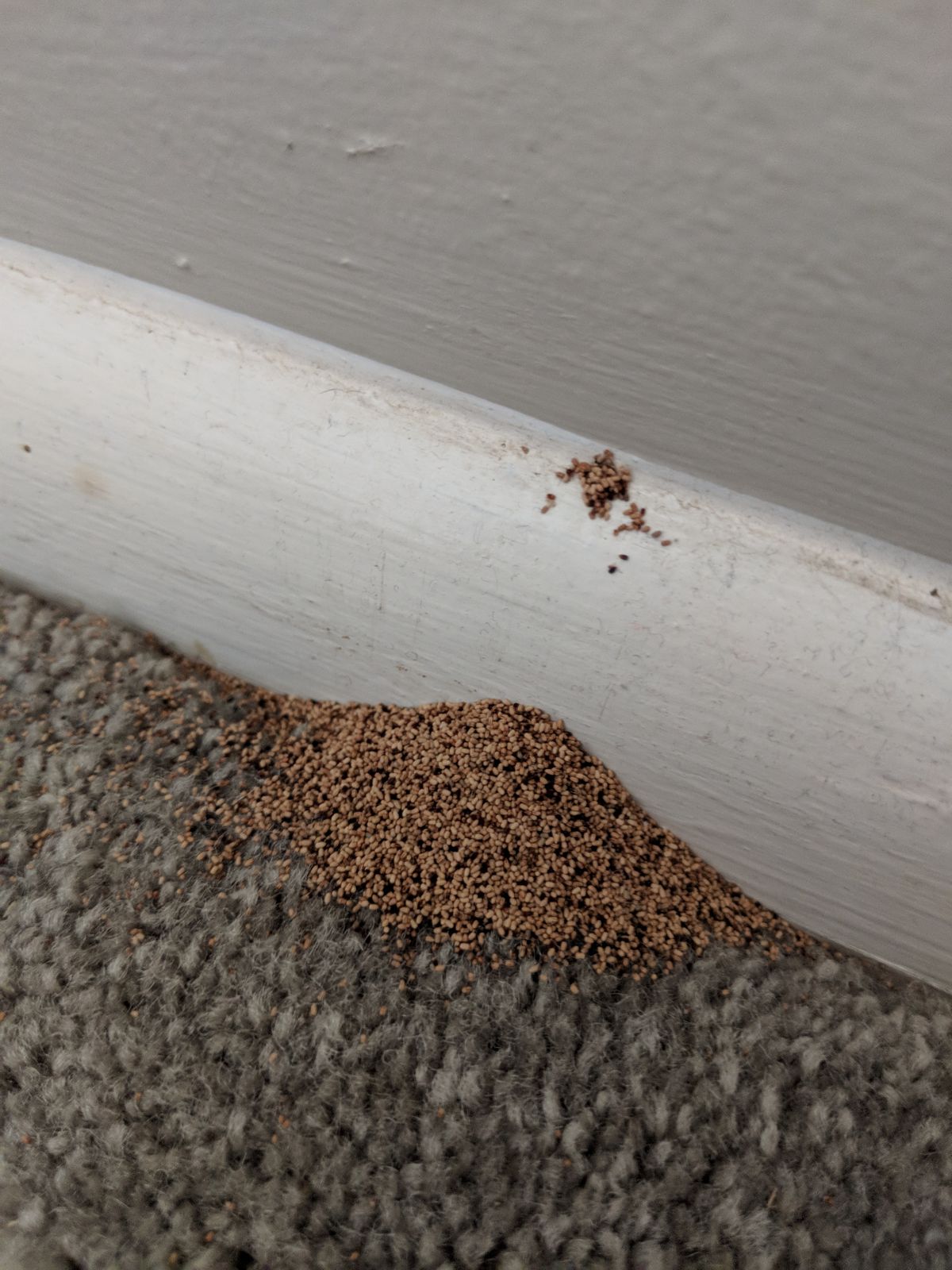
Termite frass (droppings) piling up near a baseboard - a classic sign of drywood termite activity inside the walls.
Why Termite Tenting Is Necessary
Termite fumigation is typically required for drywood termite infestations that have spread throughout a structure. Unlike subterranean termites that come from the soil, drywood termites live entirely within wood and can be impossible to reach with spot treatments alone. The tenting process involves covering your entire home with tarps and releasing a fumigant gas (usually sulfuryl fluoride, sold as Vikane) that penetrates every crack and crevice to eliminate the colony.
Most pest control experts recommend tenting your home every 7 years if you live in a termite-prone area, even as a preventive measure. This regular schedule helps catch infestations before they cause significant structural damage.
The Real Cost of Termite Damage
Termites cause billions of dollars in property damage annually, and most homeowner insurance policies don't cover it. If termites have been feasting on your home's foundation, floor joists, or structural beams, the damage can significantly diminish your property value - sometimes by tens of thousands of dollars.
When selling a home, termite inspection reports are typically required, and documented damage (even if treated) must be disclosed. Buyers may negotiate heavily or walk away entirely from a home with structural termite damage. The cost of fumigation is almost always less than the value you'll lose from an untreated infestation.
What to Expect: The Tenting Process
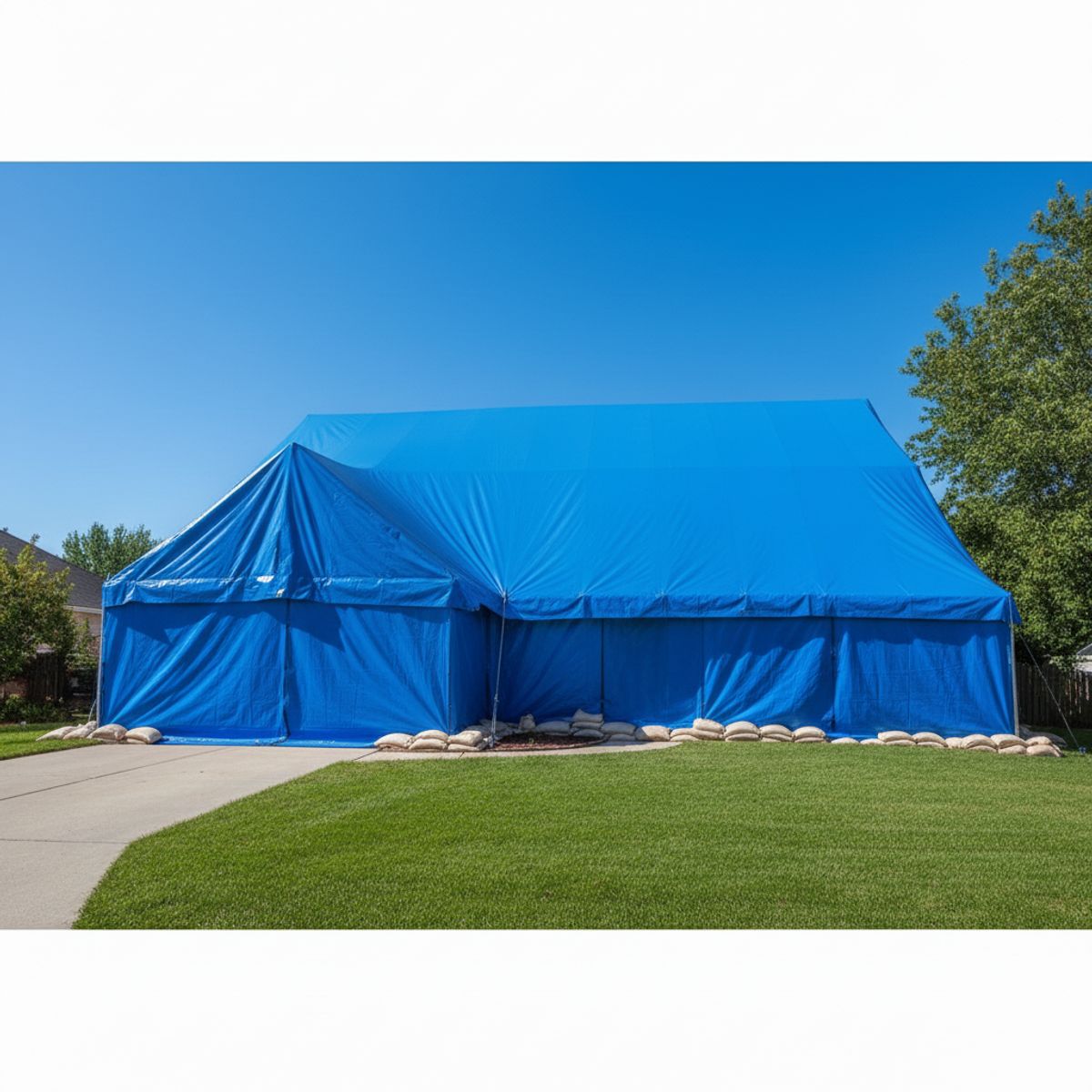
The fumigation process typically takes 2-3 days, though you may be out of your home for 3-4 days total to allow for proper aeration afterward.
Here's the general timeline:
- Day 1 (morning): Workers arrive to secure tarps over your entire home using large sandbags or "pallets" to weight down the edges.
- Day 1 (afternoon): Fumigant gas is released inside the sealed structure.
- Days 2-3: The gas circulates throughout the home, penetrating all wood materials.
- Day 3-4: Tarps are removed and the home is aerated with fans. Clearance testing confirms safe gas levels before re-entry.
How Much Does Termite Tenting Cost?
Fumigation is typically charged per cubic foot of the structure being treated. For an average-sized home (1,500-2,500 sq ft), expect to pay between $2,200 and $4,500. Larger homes or those with complex rooflines can cost $5,000-$7,000 or more.
Factors that affect pricing include:
- Total cubic footage of the structure
- Severity of the infestation
- Complexity of the roof and structure
- Geographic location and local market rates
- Whether a warranty is included
Always get 2-3 quotes from licensed pest control companies. Be wary of prices that seem too good to be true—proper fumigation requires expensive equipment, trained technicians, and significant liability insurance.
Warranties and Follow-Up Treatment
Reputable fumigation companies offer warranties ranging from 1 to 5 years. These warranties typically guarantee that if live termites are found within the warranty period, the company will re-treat your home at no additional cost.
When comparing quotes, pay attention to warranty terms:
- How long is the warranty valid?
- Does it cover the full structure or just specific areas?
- Are annual inspections required to maintain the warranty?
- Is the warranty transferable if you sell the home?
Many companies also offer ongoing monitoring and prevention plans that can extend protection and potentially catch new infestations early.
Preparing Your Home: What to Remove
You'll receive detailed preparation instructions from your fumigation company, but here are the essentials:
Must Remove Entirely:
- People and pets (including fish—aquariums must be emptied)
- Plants (indoor plants should be moved outside the tent zone)
- Medications (prescription and over-the-counter)
- Open food and beverages
Can Stay If Properly Sealed:
Most unopened, factory-sealed food items can remain in your home. For opened items or anything you want extra protection for, the fumigation company typically provides special Nylofume bags—thick, gas-resistant bags that you can use to seal:
- Opened cereal, chips, and pantry items
- Freezer and fridge items
- Pet food
- Baby formula and food
- Spices and condiments
Double-bag items for extra protection, and seal the bags tightly with tape or twist-ties. Properly sealed items can safely stay in your refrigerator, freezer, or pantry during fumigation.
Warning: Potential Damage to Roof Tiles
Here's something many homeowners don't anticipate: if you have concrete or ceramic roof tiles, expect some breakage during the tenting process. Workers need to walk on your roof to secure the tent, attach clamps, and ensure proper coverage. This foot traffic can crack or break tiles, especially older or more brittle ones. While companies try to be careful, some damage is often unavoidable.
Security During Tenting: Stay Vigilant
Here's an important security consideration: your home must remain unlocked and accessible during the fumigation process. Workers need to enter to monitor gas levels, check equipment, and eventually clear and aerate the home. This unfortunately means your home is more vulnerable during this period.
To protect your property:
- Remove or secure valuables—jewelry, cash, important documents, and electronics should ideally leave with you
- Set up security cameras with motion detection inside your home, connected to your phone for real-time alerts
- Stay nearby—consider booking a hotel in the same neighborhood rather than staying with distant friends or family
- Drive by regularly to check on your home, especially in the evenings
- Alert neighbors and ask them to keep an eye out for any suspicious activity
- Get contact information for the fumigation crew supervisor so you can verify who should be entering your property
The Bottom Line
Termite tenting is a significant disruption, but it's often the only way to fully eliminate a drywood termite infestation. The key points to remember:
- Plan for every 7 years in termite-prone areas
- Budget $2,200-$4,500+ depending on home size
- Choose a company with a solid warranty for peace of mind
- Bag food items properly—they can stay in the house
- Expect some tile damage and document beforehand
- Stay nearby and monitor your home with cameras
- Don't delay—untreated termite damage destroys home value
With proper preparation, the fumigation process goes smoothly, and you can return home knowing your property is protected from these destructive pests. Use House Reminders to set up a recurring reminder every 7 years so you never forget to schedule your next tenting.